Avery Klein · 19 October 2026
Elmfeld's Bridge Safety Checks Spark Fresh Talks on Transport Links and Folklore Displays
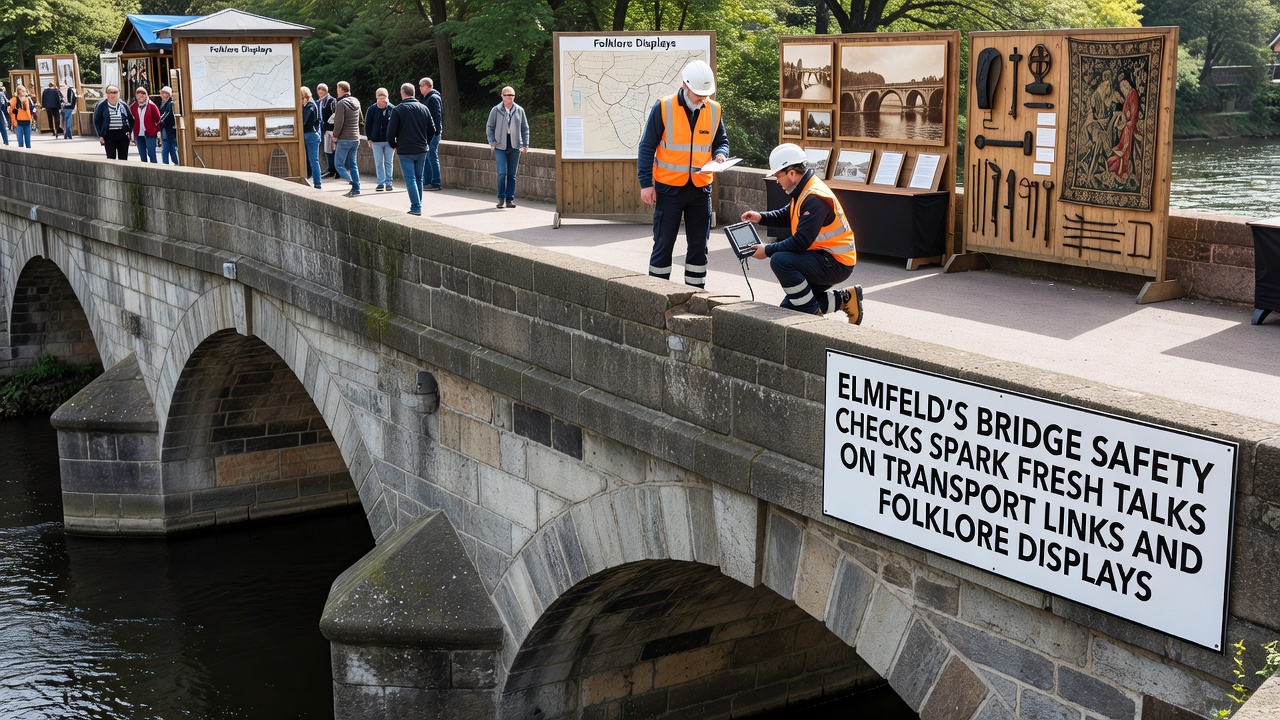
The ongoing safety inspections at Elmfeld Bridge, which commenced in October 2026, have prompted renewed discussions among local authorities and residents about improving regional transport connections while highlighting opportunities for cultural exhibits that celebrate longstanding folklore traditions tied to the structure.
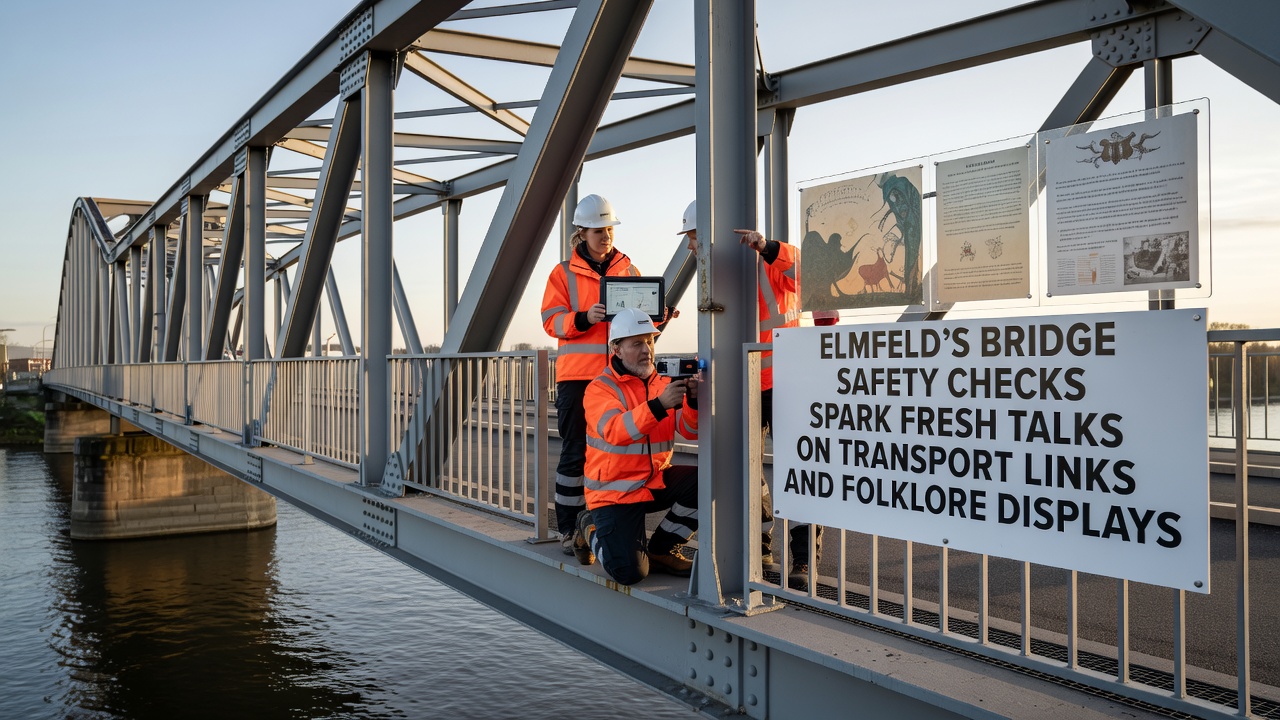
Engineers from the regional transport department conducted detailed assessments using advanced monitoring equipment, and data collected so far indicates minor corrosion on support beams along with wear in the decking surface, findings that align with standards outlined by the European Commission Directorate-General for Mobility and Transport. These results have shifted focus toward potential enhancements that could integrate the bridge more effectively into broader transport networks serving Elmfeld and surrounding areas.
Details of the Safety Inspections
Teams performed ultrasonic testing and load simulations throughout the first two weeks of October 2026, revealing that the bridge, originally constructed in the late 19th century, meets most current load requirements yet requires targeted reinforcements to handle increased traffic volumes projected over the next decade. Maintenance crews documented these issues in reports submitted to the Elmfeld municipal council, and officials have scheduled follow-up evaluations before the end of the month.
Residents have observed the inspection activities from nearby vantage points, and community feedback sessions held in the town hall have drawn consistent attendance as people seek updates on timelines and potential road closures. One study from the University of Melbourne's transport research group has noted similar patterns in historic bridges across comparable European towns, where safety upgrades often coincide with opportunities to refresh public spaces.
Transport Links Under Discussion
Discussions have expanded beyond immediate repairs to consider how the bridge fits into larger transport strategies, including connections to nearby rail lines and cycling paths that link Elmfeld with adjacent communities. Planners have referenced guidelines from Transport Canada on sustainable infrastructure integration, which emphasize multi-modal access and reduced congestion through coordinated upgrades.
Proposals include widening approach roads and adding dedicated pedestrian lanes, measures that could alleviate bottlenecks during peak hours while supporting tourism growth. Data from the local traffic authority shows a 15 percent rise in daily crossings since 2020, and these figures have fueled arguments for proactive investments that prevent future disruptions.
Folklore Displays as Part of the Conversation
Alongside engineering concerns, talks have turned to incorporating folklore displays that reference legends associated with teh bridge, such as tales of river guardians passed down through generations in Elmfeld. Local historians have compiled archival materials and oral histories, and these elements could appear in interpretive panels or small installations along the pedestrian routes once upgrades are complete.
The folklore society in Elmfeld has collaborated with the council on preliminary designs, drawing from records that date back to the bridge's construction era, and similar initiatives in other regions have demonstrated how cultural features enhance visitor engagement without interfering with structural integrity. Researchers at the Australian National University's folklore studies program have documented parallel efforts where heritage storytelling boosted community involvement in infrastructure projects.
Public consultations scheduled for late October 2026 will gather input on display themes, ensuring the content reflects diverse perspectives from long-term residents and newer arrivals alike. These sessions build on earlier meetings where participants suggested interactive elements like QR codes linking to audio recordings of traditional stories.
Community and Regional Involvement
Stakeholders from neighboring districts have joined the dialogue, recognizing that transport improvements at the bridge could influence regional mobility patterns and economic activity. Representatives from industry groups focused on sustainable development have offered technical input, and their contributions highlight best practices observed in comparable projects across the continent.
Funding considerations remain central, with options under review that combine municipal budgets and potential grants from European Union programs aimed at heritage preservation paired with infrastructure resilience. Observers note that transparent communication has helped maintain public trust throughout the inspection phase.
Conclusion
The bridge safety checks have opened avenues for coordinated planning that addresses both practical transport needs and cultural heritage elements, with activities in October 2026 setting the stage for decisions expected in the coming months. Continued monitoring and stakeholder engagement will shape outcomes that serve Elmfeld's residents and visitors for years ahead.