Uma Ludwig · 2 November 2026
Elmfeld's Cross-Sector Alliances Respond to November Seasonal Demands
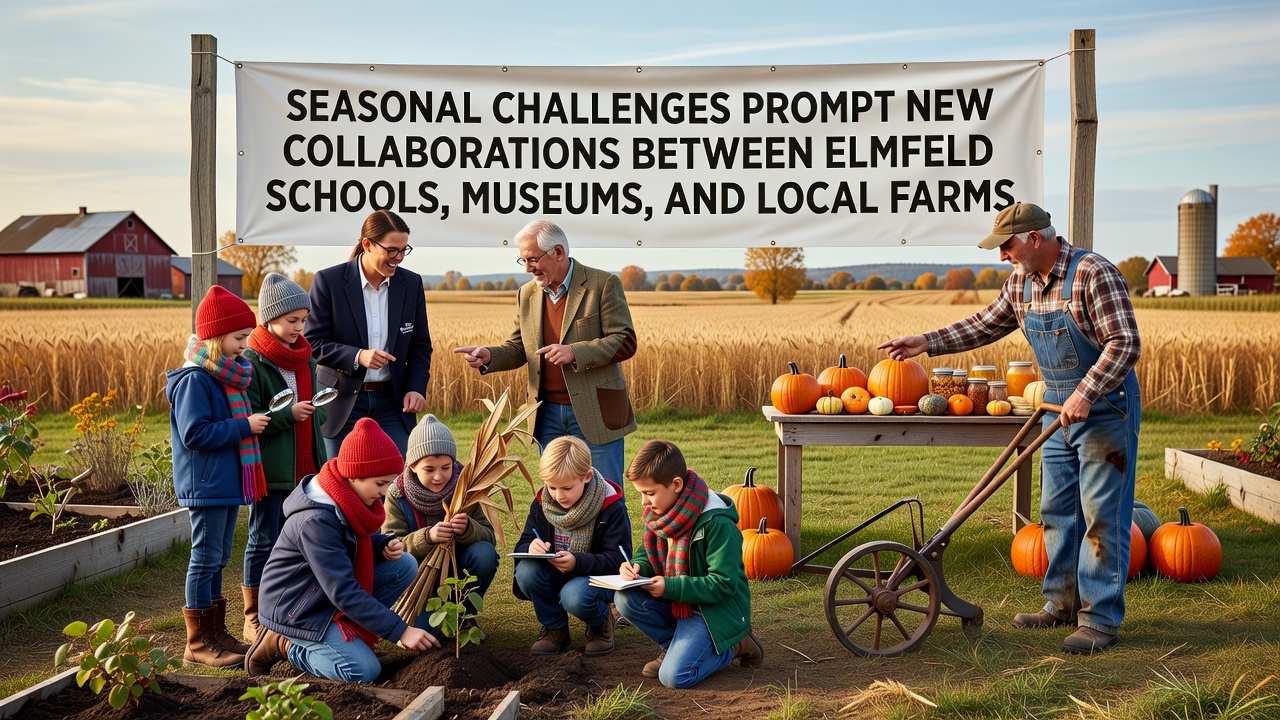
November 2026 brings its usual mix of shorter days and shifting weather patterns to Elmfeld, and local institutions have responded by expanding partnerships that link schools with museums and nearby farms. These arrangements focus on practical responses to harvest timelines, educational calendars, and exhibit schedules that align with cooler temperatures and reduced daylight. Data from the Elmfeld Agricultural Cooperative shows that participating farms reported a 12 percent increase in volunteer support for late-season tasks compared with the previous year, while school administrators note steadier attendance at off-site learning sessions.
Shared Resources Address Weather and Timing Pressures
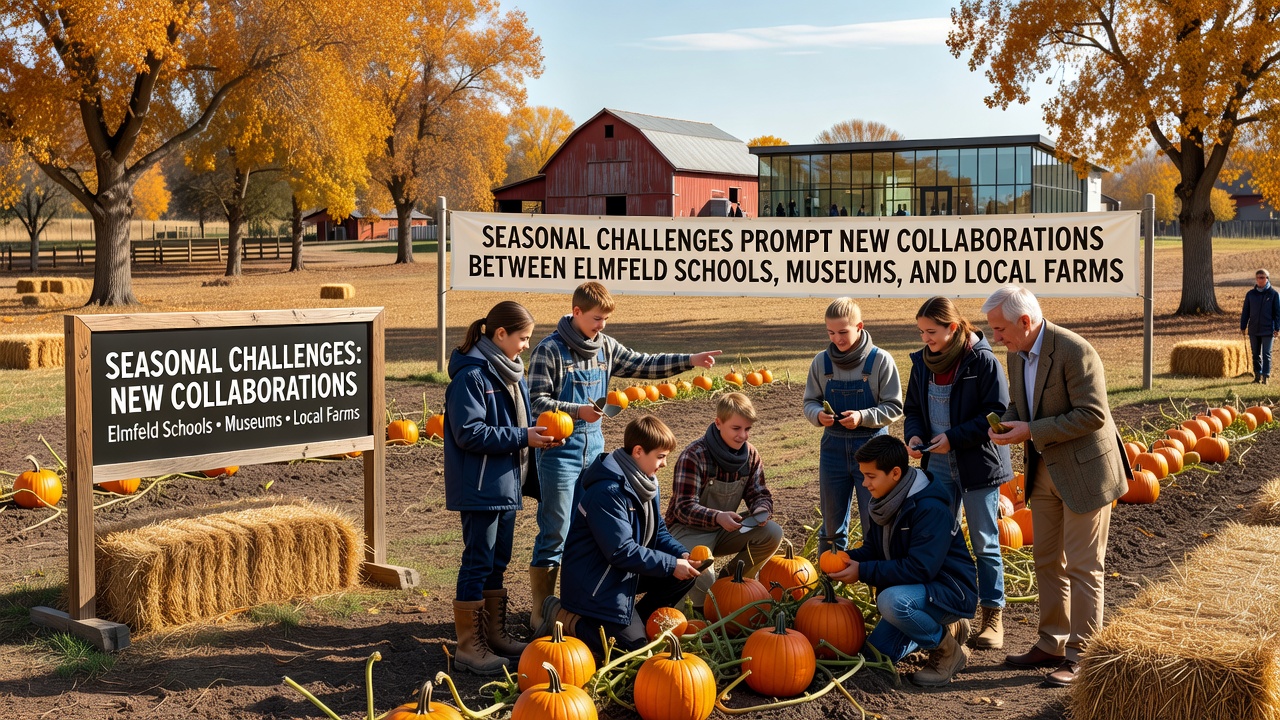
Observers note that farms in the Elmfeld valley face compressed windows for final crop collection and soil preparation before frost sets in, and schools often seek outdoor activities that fit within existing curricula. Museums, meanwhile, adjust display rotations to feature artifacts and demonstrations tied to local agricultural cycles. One joint program launched in early November 2026 places students at participating farms for two-hour sessions that combine hands-on harvesting with lessons on soil health; museum staff then host follow-up workshops that connect those experiences to historical tools preserved in their collections. Records from the Elmfeld School District indicate that five schools joined the initiative this season, up from three in 2025, with transportation coordinated through a shared bus schedule that reduces individual fuel costs.
Program Structures and Participation Patterns
Activities run on weekday afternoons and select weekends, allowing farms to receive consistent help during peak labor periods while students complete science and history modules. Museum educators supply portable kits that include seed samples, period farming implements, and digital tablets loaded with archival photographs. Figures released by the Elmfeld Cultural Heritage Board reveal that museum visitor numbers rose 8 percent during the first three weeks of November 2026, with many attendees arriving directly from farm or school sites. Teachers report that students complete reflective journals after each rotation, and preliminary reviews suggest improved retention of concepts related to seasonal change and regional history.
Funding Mechanisms and Logistical Support
Grants from the regional environmental trust and modest contributions from each participating organization cover materials and insurance. The Elmfeld Municipal Office tracks these expenditures through a shared ledger that all partners can access online. Transportation logs show that the combined bus routes logged 1,240 kilometers in the first half of November alone, serving 312 students across multiple locations. Farm operators supply safety briefings and basic equipment, while museum personnel handle content alignment with state learning standards. Those who have tracked similar efforts in prior years observe that the current model reduces duplication of planning meetings because one steering committee now represents all three sectors.
Outcomes Observed in Early Data
Early assessments compiled by the Elmfeld Education Research Group indicate that students who completed at least three sessions demonstrated stronger performance on unit tests covering local ecology and historical agriculture. Farm records list 47 additional hours of labor contributed by student groups during the first two weeks of the program, helping clear fields ahead of expected temperature drops. Museum attendance logs note repeat visits from several families who first learned about the exhibits through school newsletters. The pattern suggests that information shared across the three institutions reaches wider audiences without additional marketing expenses.
Future Scheduling Considerations
Planners have already begun mapping December and January activities that will shift focus toward indoor preservation tasks and winter exhibit maintenance. Schools are reviewing calendars to identify blocks that avoid exam periods, and farms are listing equipment maintenance projects that could involve student observers. Museum staff plan to digitize selected artifacts so remote access remains possible during any weather-related closures. According to Australian Department of Agriculture seasonal reports, similar multi-sector models in comparable climates have sustained participation rates when schedules are adjusted quarterly. A second external reference appears in documentation from the Canadian Agri-Food Research Institute, which highlights reduced administrative overhead when partners maintain a single point of contact.
Conclusion
November 2026 programs in Elmfeld illustrate how schools, museums, and farms can coordinate around predictable seasonal constraints. Participation metrics, attendance records, and labor contributions provide concrete indicators of activity levels, and the shared steering structure appears to streamline communication across the three sectors. Continued tracking through the winter months will supply further data on whether these arrangements maintain momentum once outdoor tasks diminish.