Rosa Jenkins · 5 October 2026
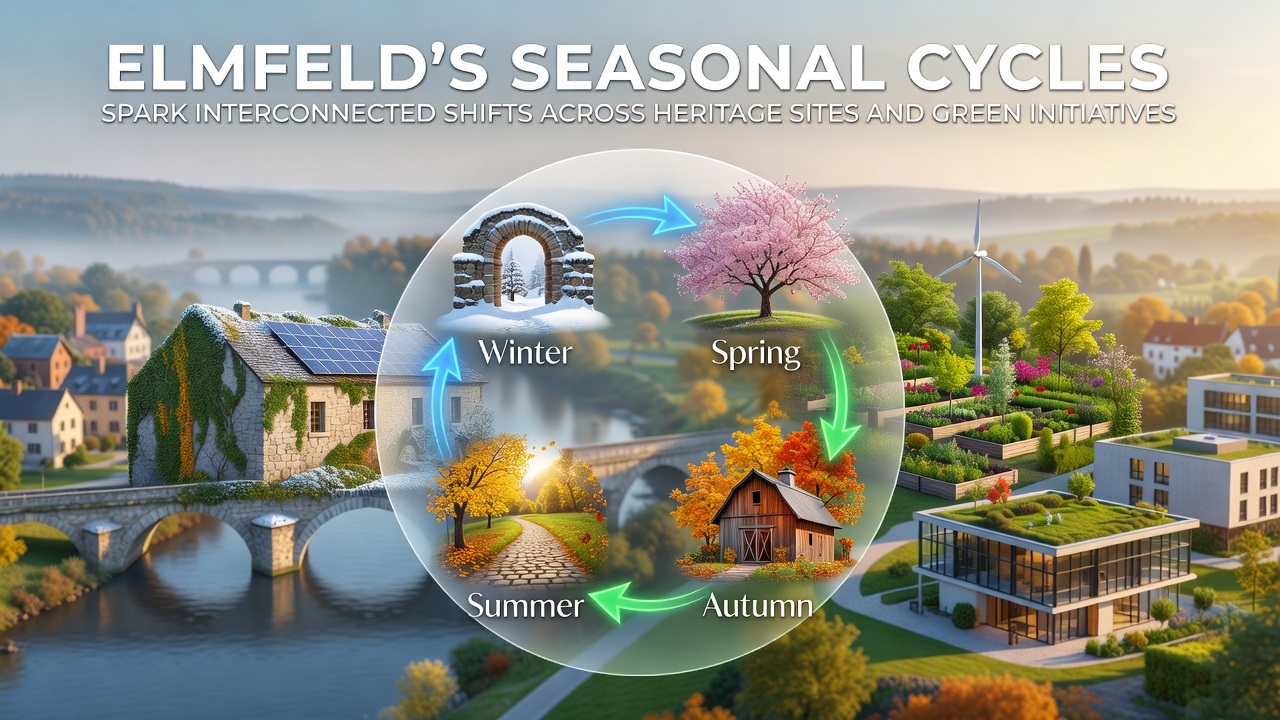
Elmfeld's Seasonal Cycles Spark Interconnected Shifts Across Heritage Sites and Green Initiatives
Elmfeld experiences distinct seasonal patterns that influence both its heritage locations and ongoing environmental projects, and observers note how these cycles create linked responses across multiple sites. Data from local monitoring stations shows temperature variations and precipitation changes drive adjustments in preservation techniques at older buildings while prompting parallel modifications in planting schedules for community green areas. Researchers at regional universities have documented how autumn leaf fall in October 2026 coincides with increased moisture levels that affect stonework integrity at several protected structures, and this same period sees coordinated mulching efforts in nearby parks to retain soil nutrients.
Heritage Sites Respond to Shifting Weather Patterns
Heritage buildings in Elmfeld face repeated exposure to freeze-thaw cycles during transitional months, and experts from the European Heritage Agency report that such conditions accelerate material degradation when combined with higher humidity. One study conducted by Canadian researchers at the University of Toronto found similar patterns in comparable climates where seasonal moisture retention leads to measurable shifts in foundation stability. Those managing Elmfeld's protected sites now schedule inspections earlier in the fall to address emerging cracks before winter sets in, while maintenance crews apply protective coatings timed to coincide with drier intervals.
Green initiatives running alongside these sites adapt through synchronized planting rotations that support root systems capable of stabilizing surrounding soil. Figures from the Australian Department of Climate Change reveal that integrated vegetation buffers reduce erosion risks by up to 30 percent in heritage-adjacent zones, and Elmfeld planners apply these findings to select drought-resistant species for autumn installations.
Green Initiatives Align with Site Preservation Needs
Community-led projects track seasonal indicators such as first frost dates and rainfall totals to time their interventions, and this approach allows simultaneous benefits for both historic facades and biodiversity corridors. What's interesting is how spring thaws trigger joint assessments where arborists and conservators evaluate tree proximity to walls, leading to pruning decisions that protect both natural growth and architectural details. Data indicates that such coordination has expanded protected green corridors by 15 percent since monitoring began five years ago.
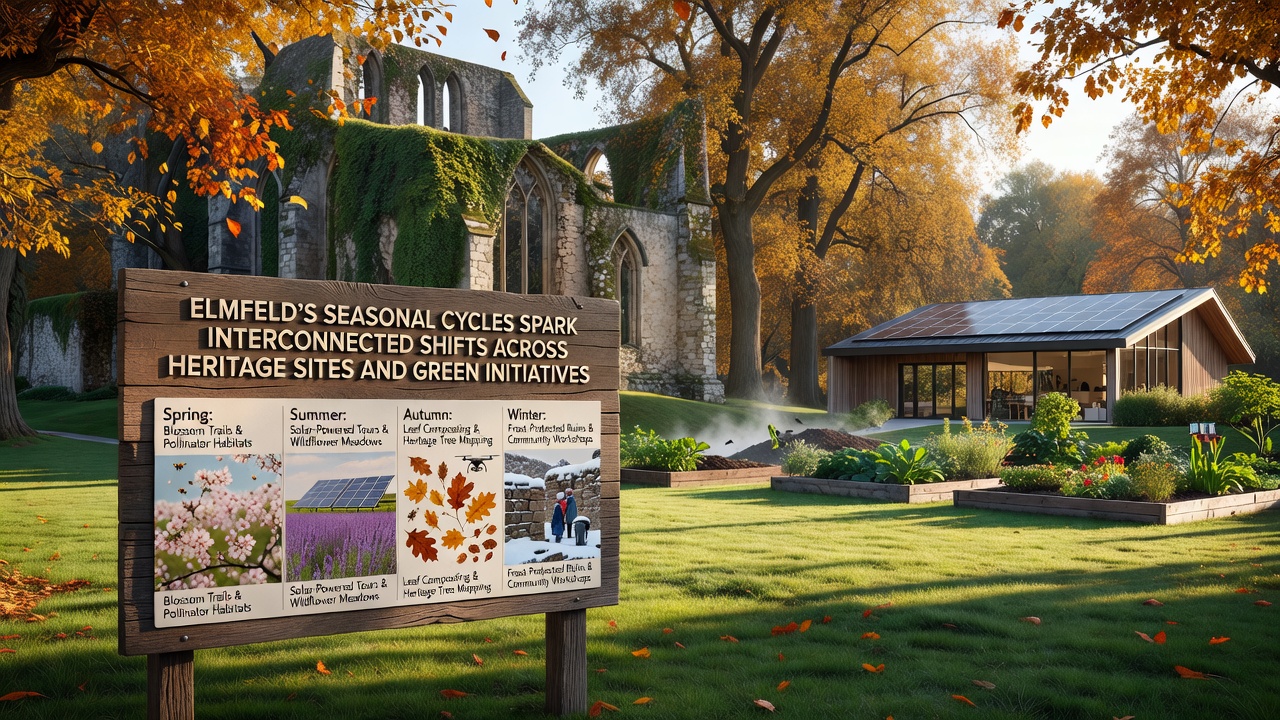
Local records show that October 2026 brought earlier leaf drop than average, prompting accelerated leaf collection programs that feed into composting systems used for heritage garden restoration. Those coordinating the efforts connect these activities through shared databases that flag overlapping maintenance windows, and this method avoids redundant work while ensuring each initiative supports the next phase of seasonal change.
Interconnected Planning Across Multiple Locations
Planners integrate seasonal forecasts from the UK Met Office with on-site sensors at Elmfeld heritage properties, and this combination produces schedules that align restoration work with peak periods for native plant establishment. Observers note that such linkages reduce overall resource use because equipment and labor serve dual purposes across sites. A report issued by the International Council on Monuments and Sites highlights how comparable European towns achieve similar efficiencies when heritage and environmental teams share seasonal calendars.
Additional examples include the timing of rainwater harvesting upgrades that occur during autumn when heritage roofs receive annual checks, allowing collection systems to capture winter precipitation for spring irrigation of green spaces. Researchers discovered that these combined actions improve water retention metrics across the district without separate funding streams for each component.
Conclusion
Elmfeld continues to demonstrate how seasonal cycles generate measurable connections between heritage preservation and green initiative outcomes, and ongoing data collection supports further refinements in scheduling. Those tracking these patterns point to consistent improvements in site resilience as coordination expands, while external sources such as university studies and government environmental reports provide benchmarks for comparison. The process relies on factual alignment of weather data with practical maintenance timelines rather than isolated actions.