Rosa Jenkins · 7 September 2026
Elmfeld's Young Residents Spearhead Tree-Planting Drives Across Neighborhood Green Spaces
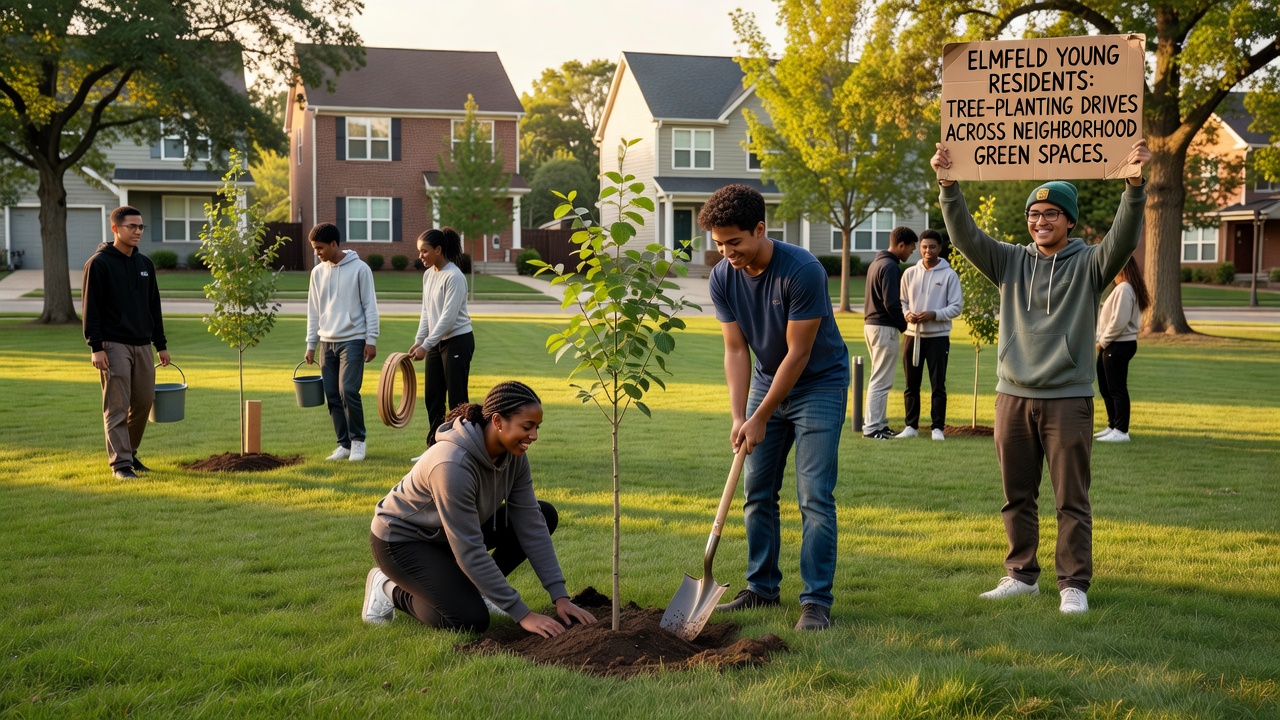
Elmfeld's young residents have taken the lead in organizing tree-planting drives that target neighborhood green spaces throughout the town and these efforts have expanded steadily since early planning stages began last year. Groups of students from local secondary schools coordinate with community centers to identify suitable planting sites while they track soil conditions and existing vegetation patterns before each event. Data from the Elmfeld Environmental Registry shows that participants planted over 1,200 native tree species across twelve different parks and commons during the most recent cycle which ran through the spring and early summer months.
Origins of the Youth-Led Initiatives
Interest among Elmfeld's younger population grew after several school environmental clubs reviewed municipal reports on urban canopy coverage and discovered gaps in certain residential districts. Organizers formed the Elmfeld Youth Greening Network in 2024 to formalize these activities and the network now includes representatives from five secondary schools plus two youth community centers. Members meet monthly to review planting maps supplied by the town planning office and they adjust schedules based on weather forecasts and ground preparation timelines. In September 2026 the network plans an additional series of weekend drives that will focus on three under-canopied neighborhoods identified in the latest municipal green space audit.
Planning and Execution Details
Each drive follows a structured process that begins with site assessments conducted by small teams of volunteers who measure available space and consult with arborists from the Elmfeld Parks Department. Saplings come from regional nurseries that supply species such as oak, maple, and birch which perform well in the local climate and the network secures these materials through sponsorships from local businesses. On planting days participants divide into crews responsible for digging, positioning, and watering while supervisors ensure proper spacing to allow future growth. Records kept by the network indicate that 87 percent of trees from the 2025 drives survived their first winter and these figures align with survival rates reported in similar municipal programs.
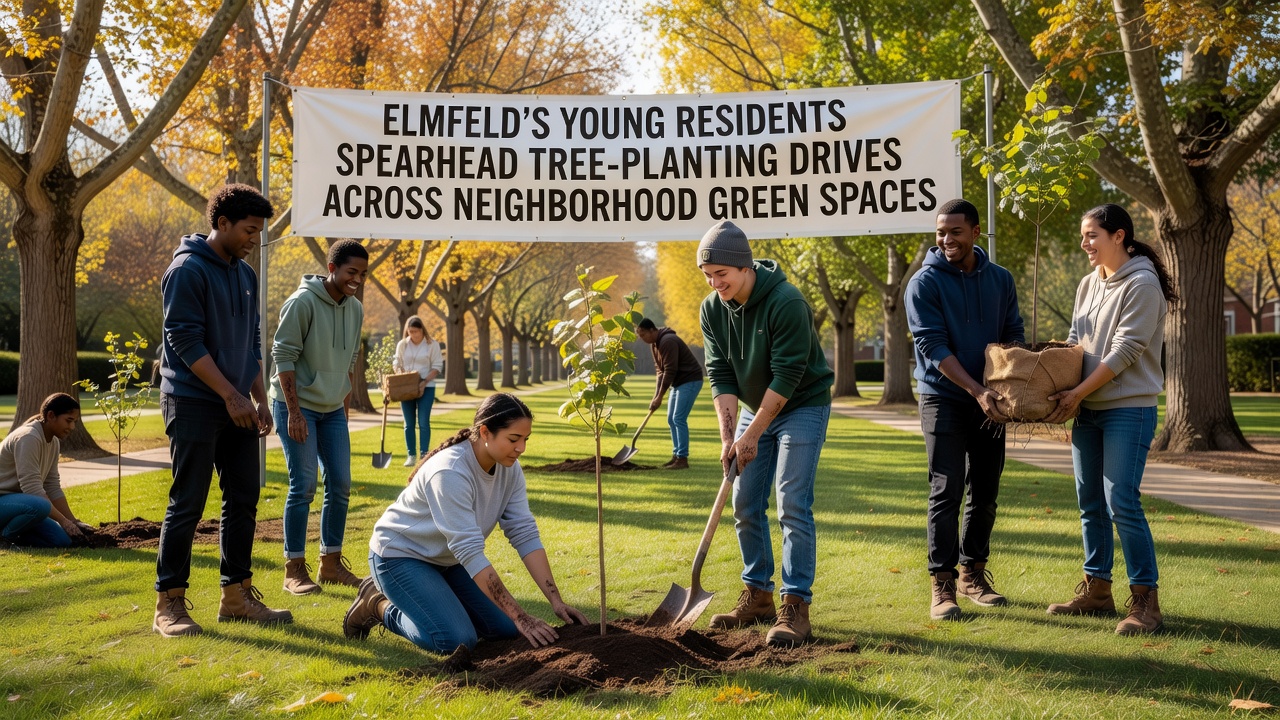
Coordination extends beyond the planting itself because follow-up care requires scheduled watering sessions and mulching in the weeks after each event. The network maintains a shared digital log that records tree locations and health checks and this system allows volunteers to spot issues early. Partnerships with the Elmfeld Botanical Society provide training sessions on proper pruning techniques so participants gain practical skills while they contribute to the town's greenery.
Community Reach and Participation Trends
Participation numbers have risen each season according to registration data collected by the Elmfeld Youth Greening Network with 340 volunteers taking part in 2025 compared with 210 the previous year. Many participants come from ages fourteen to nineteen yet the drives also welcome younger siblings who assist with simpler tasks under supervision. Local media outlets have documented several events and these reports note that families often join as groups which strengthens neighborhood connections. The network distributes informational flyers through schools and libraries to recruit new members and it hosts information booths at town festivals to explain the process and benefits of urban tree cover.
Measured Outcomes and Supporting Data
Independent assessments conducted by researchers at the University of Elmfeld's Department of Environmental Studies have measured temperature reductions in planted areas during summer months and these observations match patterns documented in other European towns with comparable programs. Air quality monitoring stations operated by the regional environmental authority recorded modest improvements in particulate levels near recently planted zones although longer-term data collection continues. The European Environment Agency has published guidelines on urban forestry that Elmfeld organizers reference when selecting species mixes and these resources help ensure plantings support local biodiversity goals. A separate report from the Australian Urban Research Institute highlights how youth involvement in such projects correlates with sustained community stewardship over time.
Future Directions for the Drives
Looking ahead the Elmfeld Youth Greening Network intends to expand its mapping efforts with drone surveys supplied by the town council's technology division and these surveys will help identify additional sites that could benefit from new plantings. Funding applications submitted to regional sustainability grants aim to cover costs for larger quantities of saplings and protective equipment in coming seasons. Collaboration with neighboring communities has also begun through shared workshops where Elmfeld volunteers exchange techniques and data collection methods. The network continues to emphasize inclusive recruitment so that residents from all backgrounds can participate regardless of prior experience with gardening or environmental work.
Conclusion
Elmfeld's young residents continue to expand their tree-planting activities across neighborhood green spaces with structured organization and measurable results that contribute to the town's overall environmental profile. Participation trends and survival statistics provide concrete indicators of progress while partnerships with academic and regional bodies supply ongoing guidance. The planned drives in September 2026 represent the next phase in this ongoing series of community efforts that integrate youth leadership with practical land management.